
Buy Ammo by the Case and Save Big on Bulk Rifle and Handgun Rounds
Struggling to keep your ammunition supply consistent without constant reordering? Ammo by the case lets you purchase a single, sealed bulk unit—typically 500 to 1,000 rounds—so you have a dependable stockpile ready for range days or practice sessions. Each case arrives as one consolidated package, simplifying storage and reducing the per-round cost, which means you can shoot more while stretching your budget further. When you buy by the case, you gain the peace of mind that comes from having a reliable reserve on hand, so you can focus on your training instead of worrying about running dry.
Why Buying Bulk Ammunition Makes Sense for Frequent Shooters

For the shooter who burns through hundreds of rounds every range trip, buying ammo by the case stops the cycle of constant reordering and per-box price shock. You lock in one flat rate, often shaving off twenty percent or more compared to shelf prices, which means more trigger time for the same budget. That case sits in your safe, ready for a weekend class or a last-minute match, so you never cancel a session because the local store ran dry. The real payoff is consistency—same lot, same powder, same primer, so your zero and your groups stay identical session after session, no frustrating flyers from mixed 5.56 Ammo for Sale batches. *Q: Why does buying by the case beat weekly boxes? A: You cut per-round cost, eliminate stock-out anxiety, and keep your ammunition uniform, which directly tightens your accuracy.* That predictability turns practice into pure skill-building, not troubleshooting gear that shifts with every new box.
The Real Cost Per Round Difference When You Commit to a Full Case
When you commit to a full case, the real cost per round difference usually shows up as a 10–20% drop compared to buying a few boxes at a time. That saving isn’t just on the sticker price—it also cuts down on per-order shipping fees and the hassle of multiple transactions. For a frequent shooter running through 500 rounds a month, that difference can cover an extra box of ammo or a range trip by the end of the year. The math gets better when you stick with the same caliber and load, because you’re not paying for brand-switching premiums or small-batch markup. It’s a simple .17 HMR Ammo for Sale trade: a bigger upfront bill for a noticeably lighter hit to your wallet every time you shoot.
Committing to a full case slashes the real cost per round 5.7x28mm Ammo for Sale by 10–20%, stacking up to free ammo over time—pure savings for anyone who shoots regularly.
How a Single Case Purchase Cuts Down on Range Day Hassles
Buying a single case eliminates the pre-range scramble of consolidating dozens of loose boxes from different storage spots. Instead of inventorying partial boxes before loading your bag, one sealed case of ammo by the case provides a verifiable, single-unit count that matches your planned round count for the session. Logistics shrink to a single lift from trunk to bench, and you avoid the mid-session downtime of rationing rounds from a near-empty box or driving to a store for an emergency brick. Resealable case trays also keep spent brass sorted by lot, speeding cleanup and reducing the chance of mixing calibers—meaning less administrative friction between shooting strings and more time on target.
One case purchase removes inventory guesswork and reloading stops, compressing range prep and teardown into a single, seamless workflow.
What’s Actually Inside a Factory Case of Cartridges
A factory case of cartridges is far more than a cardboard box of loose rounds—it’s a precision-stacked, sealed system built for bulk storage and rapid deployment. Inside, you’ll find the ammo arranged in distinct, often waxed cardboard trays or styrofoam inserts, each cradling 20 or 50 rounds with primer ends facing down to prevent chain-detonation and to keep the cases aligned. The individual cartridges themselves are the true payload: brass or steel cases, seated bullets with crimped cannelures, and sealed primers—all packed to the same headstamp and lot number for consistent ballistics. The case’s internal dividers aren’t just padding; they’re engineered to absorb recoil shock during shipping, stopping rounds from rattling into each other. Most factory cases also include a desiccant packet tucked between layers, though *you’ll rarely notice it until you’ve shot hundreds of rounds and feel the crispness of powder that stayed perfectly dry*. What you won’t find are generic loose fills—every layer is interlocked so that when you pull the top tray, the next one slides out cleanly, ready for your mags or range box.
Standard Case Sizes and Round Counts You’ll Encounter
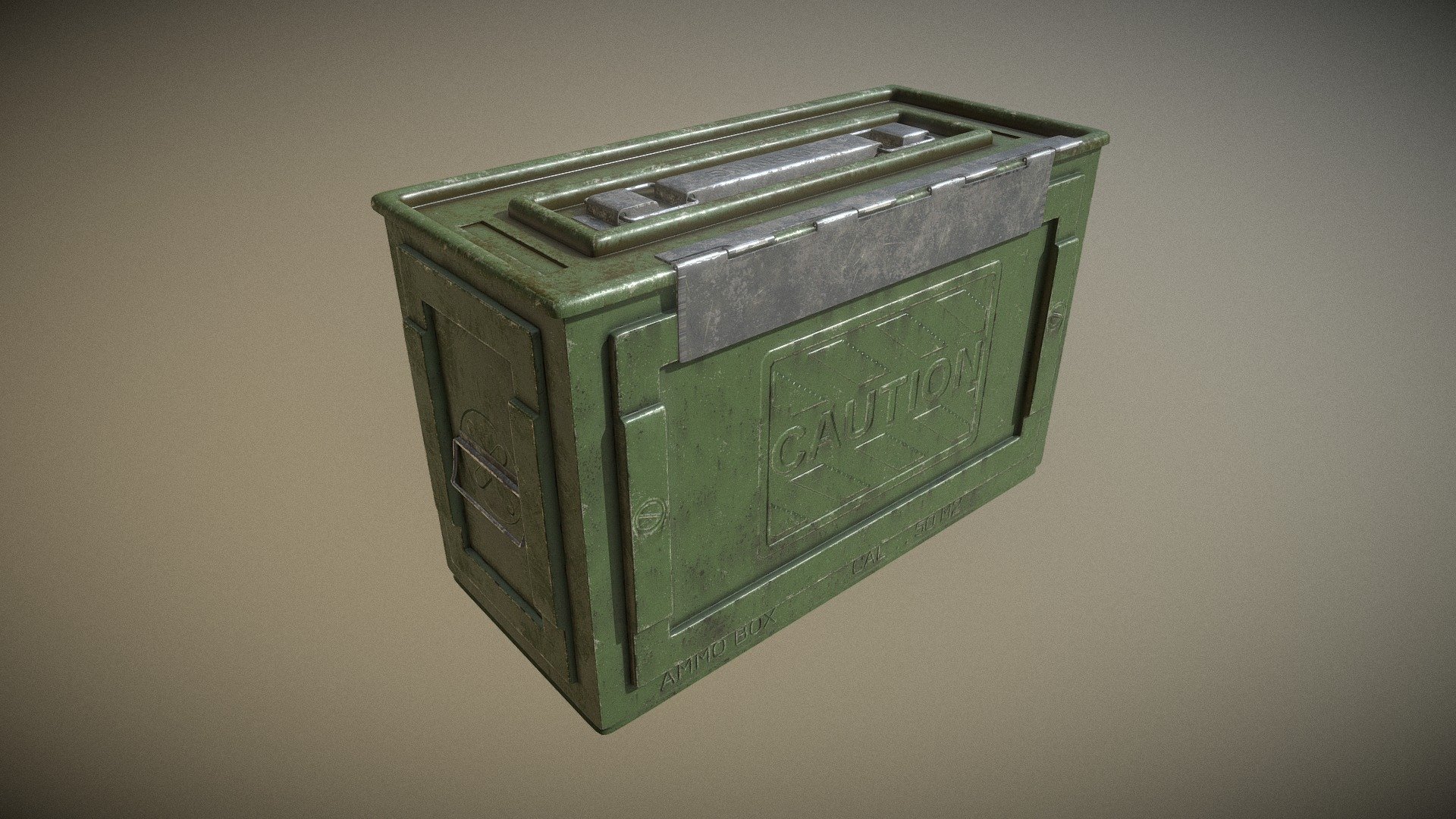
When you buy ammo by the case, the standard case sizes and round counts you’ll encounter are surprisingly consistent across major manufacturers. The most common is the 500-round flat-rate case for 9mm and .223/5.56, typically packed in 50-round boxes inside a single cardboard carton. For bulk rifle calibers like .308, expect 200 to 300 rounds. Shotgun shells commonly arrive in 250-round cases (10 boxes of 25). Pistol calibers such as .45 ACP frequently use 200-round cases. Half-cases (250 rounds) exist for budget flexibility, and some budget brands ship loose-packed 1,000-round “value Ammo Cans & Storage for Sale cans.” Always verify per-box counts—ranging from 20 to 50—before purchase to match your storage or range-day needs.

- Confirm round count per box to estimate total case weight.
- Check the case’s outer label—it always lists total rounds and caliber.
- Opt for 500-round cases when testing multiple loads, as they offer the best logistical balance.
Cardboard Boxes, Ammo Cans, or Tray Packs—What to Expect
When you buy ammo by the case, packaging dictates both storage efficiency and range-day convenience. Cardboard boxes—typically 20 rounds per box for rifle 7mm PRC Ammo for Sale calibers or 50 for pistol—are the most economical, but they crush easily and offer zero moisture protection; expect to transfer them into a bulk container if you store long-term. Ammo cans (usually 50-round cardboard trays inside a metal or polymer can) add weight but deliver superior sealability and stackability, ideal for vehicle kits or humid environments. Tray packs—loose rounds on plastic or fiber trays with a shrink-wrap sleeve—prioritize compactness, perfect for quick loading of magazines, but they leave exposed primers vulnerable to impact. Your choice hinges on whether you prioritize cost, durability, or speed.
Cardboard saves money, ammo cans save your stash, tray packs save time—pick based on your storage reality and loading routine.
Choosing the Right Caliber and Load for Your Bulk Order
When you’re buying ammo by the case, picking the right caliber starts with matching your most-used firearm—if you only train with a 9mm, don’t let a tempting deal on .40 S&W derail your stockpile. For bulk orders, stick to a caliber you already shoot well, and then nail down the load: full metal jacket (FMJ) is ideal for high-volume range sessions, while a heavier grain weight in a defensive load is better if that same case doubles as your go-to home ammo. The key is consistency—order one load type across the entire case to avoid poi shifts or cycling hiccups in your pistol or rifle. Test a small sample first, then buy the case with confidence, knowing your bulk ammo selection matches both your gun’s twist rate and your recoil tolerance.
Matching Your Firearm’s Needs With the Right Bullet Weight and Type
Matching your firearm’s needs with the right bullet weight and type begins with your barrel’s twist rate, which dictates the stabilizing weight range—a 1:7 twist handles heavier projectiles, while a 1:12 prefers lighter ones. For a case order, select a bullet weight that mirrors your primary 7.62x54R Ammo for Sale use: light, fast-expanding hollow points for defensive loads, or heavier, flat-based solids for penetration on game. Verify your firearm’s published specifications, then cross-reference the bullet’s ballistic coefficient against your typical engagement distance; a high-BC, heavy bullet retains velocity better at range but may require a longer barrel to fully burn powder. Testing a small sample of each candidate weight before committing to a full case ensures your action cycles reliably and your point of impact stays consistent. Ultimately, bullet weight and type consistency across your bulk order prevents zero-shift and feeding malfunctions.
Full Metal Jacket vs. Hollow Points—When to Buy Each in Volume
When buying by the case, choose Full Metal Jacket for high-volume training, as its lower cost and reliable feeding let you burn through thousands of rounds without burning your budget. Reserve Hollow Points for defensive stockpiles, where their expansion on impact justifies a premium price—you don’t need a thousand of them for practice. A case of FMJ handles range drills and malfunction clearing; a single box of Hollow Points validates your carry load’s point of impact. Buy FMJ in bulk for repetition, Hollow Points in smaller batches for verified reliability. Splitting your order, 80% FMJ to 20% HP, maximizes savings while ensuring your defensive rounds match your firearm’s performance.
How to Store a Case of Ammunition Safely and Keep It Reliable
When you buy ammo by the case, the original cardboard box is fine for transit but not for long-term storage—transfer the sealed rounds into an airtight, hard-sided container with a gasket, adding silica gel packs to control humidity. Stack the case flat, never on its side, to keep primers and powder uniformly settled. Keep the container in a cool, consistently dry environment below 70°F, avoiding attics or garages where temperature swings accelerate powder degradation. Rotate your case stock by marking the purchase date on the lid, using the oldest first; this ensures your stored ammunition remains ballistically identical to fresh rounds. Do not lube or oil the cartridges—moisture and petroleum can seep past primers and ruin the specialty sports & supply propellant. Inspect the case every six months for corrosion or bulging cases, discarding any compromised rounds immediately. Sealed military-grade ammo can outlast you, but opened commercial cases degrade in five years without this discipline. Your reliability depends entirely on this routine, not the brand.
Ideal Temperature, Humidity, and Containers for Long-Term Preservation
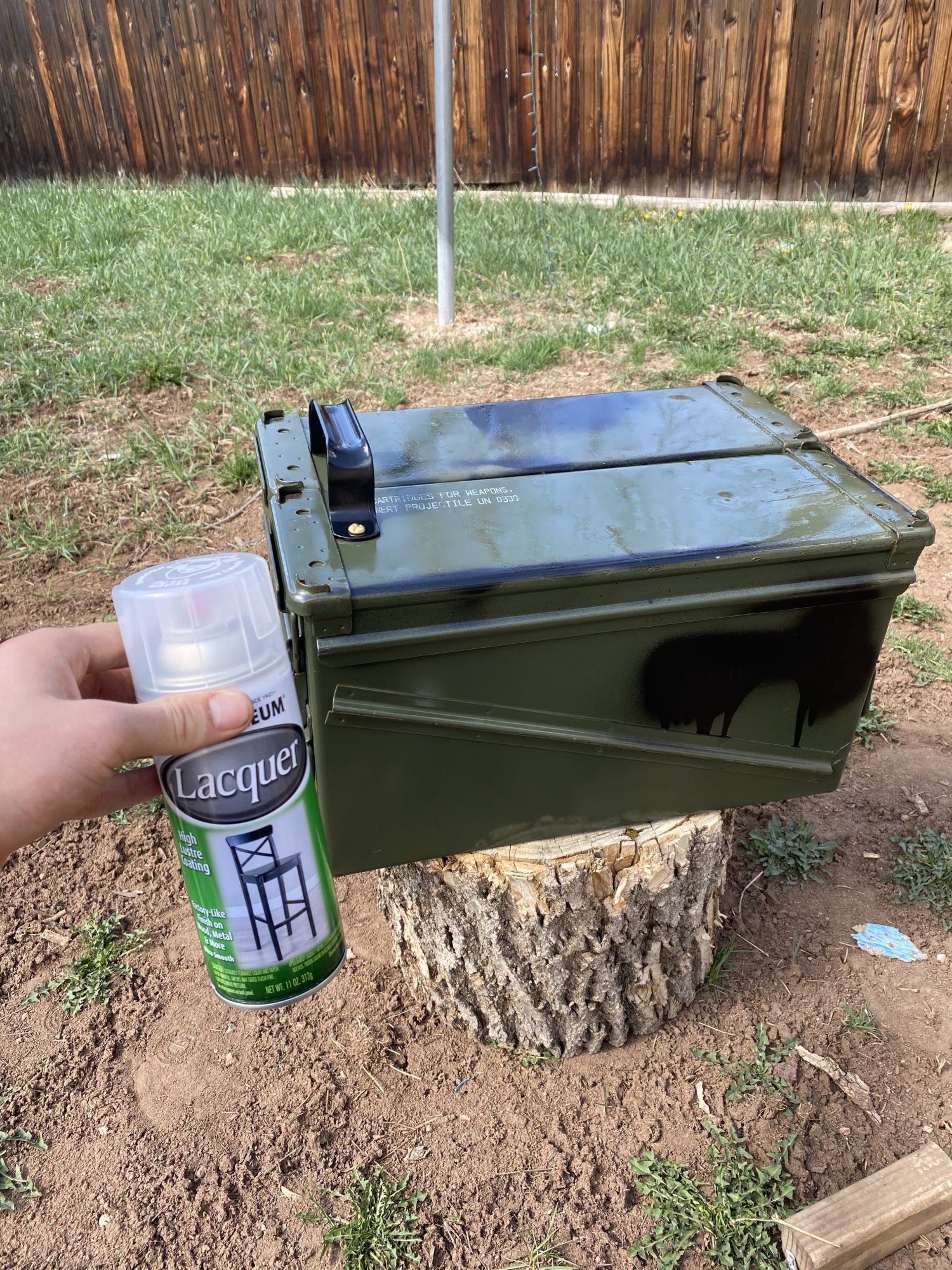
For long-term preservation of a case of ammunition, stable temperature and humidity control are non-negotiable. Keep the storage environment between 55–75°F, avoiding attics or garages where thermal swings cause condensation inside primers and powder. Maintain relative humidity between 30–50% using desiccant packs, as excessive moisture corrodes brass and degrades propellant. Use airtight, impact-resistant containers—ideally military-grade .50-caliber cans with rubber gaskets—and add a humidity indicator card to monitor internal conditions. Never store rounds loose inside; retain factory trays or use foam inserts to prevent primer impact. Silica gel packets should be replaced annually, and containers should be elevated off concrete floors to avoid wicking moisture.

Q: What is the single most critical factor for long-term ammunition preservation?
A: Consistent temperature and humidity control—specifically, avoiding temperature fluctuations above 10°F and keeping humidity below 50%—prevents condensation that causes corrosion and powder degradation.
Rotating Your Stock So Older Rounds Get Used First
When you buy ammo by the case, **rotating your stock so older rounds get used first** is the single most effective habit for preserving reliability. Mark each case with its purchase date in permanent marker, then stack new cases behind old ones on your shelf. Before any range trip, pull from the front—the oldest inventory—without exception. This prevents primers from degrading and powder from settling unevenly over years of neglect. For a clear sequence: first, date every case upon arrival; second, store new additions behind existing stock; third, grab from the front when packing your bag. Even premium factory ammunition loses its crisp ignition after a decade of static storage, so rotation beats storage conditions. Cycle through your cases yearly, and you’ll never shoot a stale round.
Practical Tips for Splitting and Managing a Case After Delivery

After your ammo by the case arrives, immediately inventory each box against the packing slip to confirm caliber and lot numbers before breaking the outer seal. If you plan to split the case, use a permanent marker to write the purchase date and lot code on each individual box, as this preserves traceability for any future accuracy issues. Store the split portions in separate, labeled airtight ammo cans with desiccant packs, keeping the original case’s cardboard tray only if it fits without crushing the rounds. For range day management, pre-load magazines directly from the split boxes rather 7.62×51 Ammo for Sale than carrying the entire case, which reduces weight and prevents constant resealing of the bulk container. Always rotate your split inventory by shooting the oldest lot first to avoid mixing batches that may have subtle velocity differences. Never pour loose rounds into a shared bin, since mixing headstamps or lots complicates troubleshooting. While it’s tempting to split by count, splitting by full box increments keeps the case’s internal padding intact for safer transport.
Repacking Loose Rounds Into Range Bags or Magazines Without Damage
When splitting a bulk case, repacking loose rounds into range bags or magazines without damage starts with small, padded pouches—never let brass clatter together loosely in a zippered pocket. Drop rounds base-down into mags to protect primers, and for range bags, use segmented ammo wallets or reload the original cardboard trays if intact. Avoid overfilling rigid boxes, 7.62×39 Ammo for Sale as jostling can dent case mouths. For loose bulk, wrap batches in a microfiber cloth or use a dedicated ammo pouch with dividers before tossing them in the bag. Brass-on-brass friction is the enemy here.
Q: What’s the safest way to repack loose rounds into a range bag without damaging them?
A: Use a padded, compartmentalized ammo pouch or a plastic tray, and orient all rounds nose-down so primers don’t snag. Skip loose storage in the main pouch—that’s how you get bent rims.
Tracking Your Inventory So You Never Run Dry Mid-Season
After splitting a case, log each caliber’s round count on a dedicated tracking sheet or app, noting the date you opened the case and the projected monthly usage. Never run dry mid-season by setting a reorder threshold at 20% of your starting inventory—this gives you a buffer for shipping delays. Weigh or count remaining boxes weekly, and subtract any range trips or zeroing sessions immediately. If you shoot 200 rounds monthly from a 1,000-round case, mark the 10-week point as your mandatory reorder date. A simple digital ledger beats memory, especially when multiple calibers share shelf space.
Common Mistakes to Avoid When Buying a Full Case at Once
Overlooking lot numbers is a frequent error, as mixed batches from different cases can cause noticeable point-of-impact shifts, so always verify uniformity before purchase. Another mistake is assuming all cases are sealed identically; inspect each box for damaged primers or corroded brass, since bulk storage often hides defects. Buyers also neglect to calculate true per-round savings against shipping weight, forgetting that heavy cases incur significant freight costs that erode the deal. It is wise to test a sample box from the exact case first, rather than trusting the brand’s general reputation. Finally, failing to check the rim or extractor groove for dents—especially in steel-case loads—leads to frustrating feeding issues later. Always confirm the case’s manufacturing date to avoid old stock. Store the entire case in a climate-controlled area to prevent corrosion from affecting all rounds at once.
Overlooking Shipping Weight and Handling Requirements
Overlooking shipping weight and handling requirements is a frequent error when buying a full case of ammo. A single case of 1,000 rounds of common rifle or pistol calibers can easily weigh 30–60 pounds, which significantly impacts delivery costs and whether the package arrives via your standard doorstep carrier or a freight truck requiring a scheduled appointment. Before checkout, verify the total weight, as hefty cases often incur surcharges or require a business address with a loading dock. Additionally, carriers impose strict dimensional weight rules, so a dense, compact case may cost more than its physical pounds suggest. **Always clarify the carrier’s weight threshold for residential delivery** to avoid unexpected fees or a failed drop-off. Q: What happens if I ignore the case’s shipping weight? A: You risk paying a heavy surcharge, dealing with a delayed freight pickup, or having the driver refuse the shipment because the package exceeds their handling limit.
Ignoring the Lot Number for Quality Control and Consistency
When you buy ammo by the case, ignoring the lot number is a direct threat to shot-to-shot consistency. A single case usually contains cartridges from one manufacturing run, but if the box labels show different lot numbers, you are mixing propellant batches, primer sensitivity, and bullet seating depths. For precision work, this destroys uniformity. Before opening any case, check .17 WSM Ammo for Sale every box’s lot number; if they differ, either ask the dealer to source a matching set or accept that your zero may shift. Verifying a uniform lot number before purchase also lets you retain the same ballistic profile for future orders, as you can reorder the identical lot for match-grade reliability.